The Complete Wedding Budget Breakdown & Allocation Guide
How to build a realistic wedding budget, avoid hidden vendor fees, and allocate every dollar without going into debt.
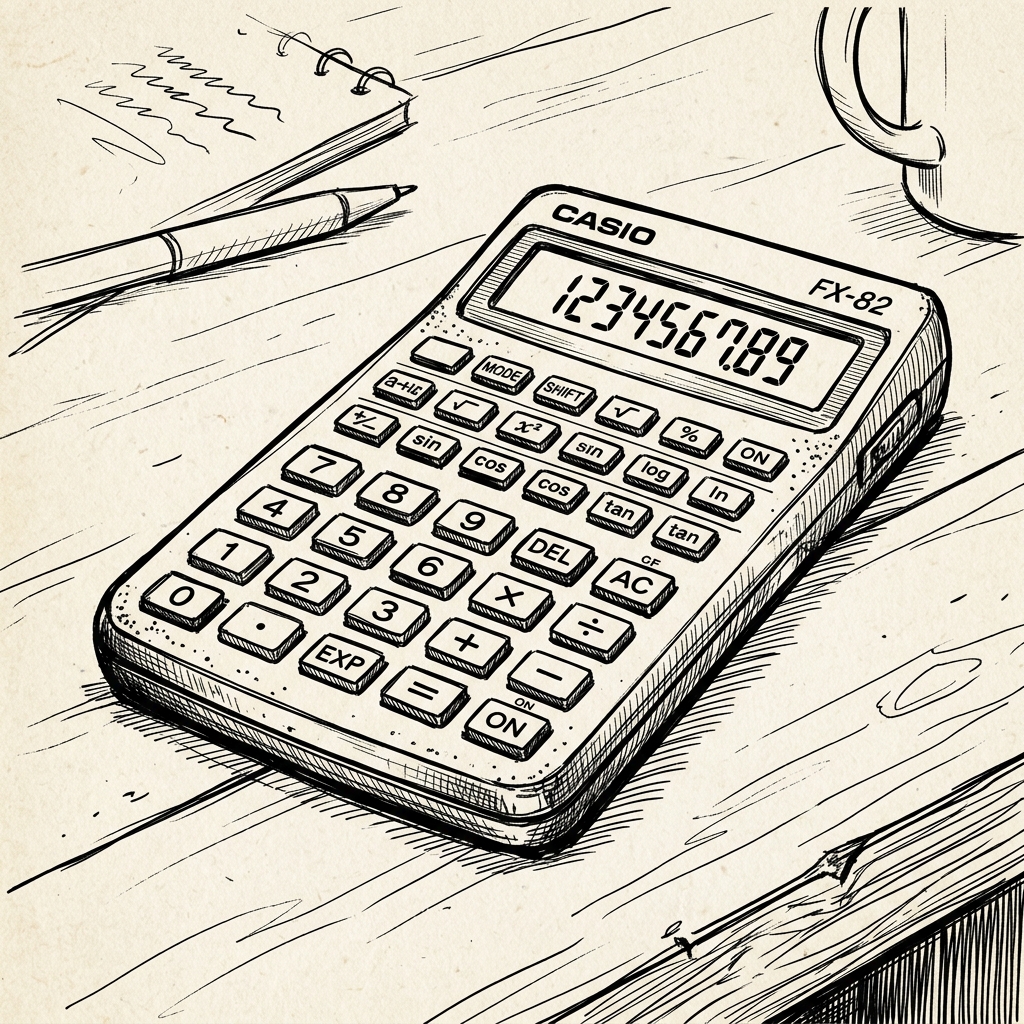
Tracking per-guest allocations ensures venue and catering costs never spiral out of control.
1. The 50 / 15 / 10 Industry Standard Budget Rule
Financial planners and wedding coordinators recommend organizing your expenses into 5 foundational buckets to avoid running out of funds before hiring key vendors:
45% - 50%: Reception Experience
The physical venue rental, passed appetizers, multi-course dinner, open bar alcohol, service staff, tables, chairs, and dinnerware rentals.
12% - 15%: Memories & Media
Full-day photography, second shooter, videography highlight film, drone aerial footage, and physical heirloom wedding photo albums.
8% - 10%: Florals & Atmosphere
Bridal bouquets, ceremony arch installations, table centerpieces, candlelight, and special ambient uplighting.
8% - 10%: Attire & Beauty
Wedding dress, veil, suit/tuxedo, alterations, shoes, bridal accessories, trial hair, and day-of professional makeup.
2. The 6 "Hidden" Wedding Costs That Blindside Couples
Vendors rarely mention taxes and gratuities on their base menu pricing. Always factor in these additional charges:
- Venue Service Charges (18% - 24%): Almost every banquet hall and hotel adds a mandatory administrative fee on top of food and beverage totals.
- State & City Sales Tax (6% - 10%): Applied on all catering, rentals, and floral deliverables.
- Cake Cutting & Corkage Fees ($2 - $6 / guest): If you bring your own cake or wine, venues charge service fees to slice or uncork it.
- Vendor Meals ($30 - $60 each): Your photographer, videographer, DJ, and coordinator work 8-10 hour days and require a hot meal during reception dinner.
- Dress Alteration & Bustle Surcharges ($400 - $900): Hemming lace and installing a 5-point bustle is almost never included in gown purchase prices.
- Setup & Breakdown Overtime Fees ($150 - $300 / hr): If the party runs past venue curfews, overtime fees add up rapidly.
3. Why Guest Count Is the #1 Budget Dial You Can Turn
Many couples try to save money by cutting back on flowers or hiring a cheaper DJ. However, over 55% of your total wedding costs are variable per-head expenses (appetizers, entrees, open bar drinks, champagne toasts, place cards, chair rentals, and cake slices).
💡 The Math: At an average cost of $250 to $350 per guest, reducing your guest list from 150 to 120 guests immediately frees up $7,500 to $10,500 in real cash savings without compromising on your dream venue or photographer!
🔗 Integrated Wedding Budget Tools
Frequently Asked Questions
How accurate is this wedding budget calculator?
Our calculator uses vetted, nationwide industry-standard percentages. While exact rates vary between metropolitan cities and rural regions, the proportional distribution (e.g. 48% venue/catering, 13% photography) holds true across virtually all wedding tiers.
What is the easiest way to cut a wedding budget in half?
The two most powerful ways to cut wedding expenses are: 1) Trim the guest list (since 50%+ of all costs are per-person meals, drinks, and rentals), and 2) Choose a Friday or Sunday date during off-peak season (venues often offer 20-30% discounts off Saturday peak rates).
How do I export this budget to Microsoft Word or Excel?
Click the "📝 Export Word (.doc)" button at the top right to download a formatted table document, or click "📊 Export Excel (.csv)" to generate a clean bookkeeping spreadsheet ready for Google Sheets or Microsoft Excel.
How much should be held back for emergency buffers?
We recommend keeping 4% to 5% of your total budget unassigned (e.g. $1,400 on a $35,000 budget). This absorbs unexpected overtime fees, umbrella rentals for sudden rain, last-minute dress steaming, and vendor tips without forcing you to borrow money.