The Ultimate Wedding Dress Sizing & Measurement Guide
Everything you need to know about bridal sizing charts, measuring yourself with 100% accuracy, and choosing the perfect silhouette for your body shape.
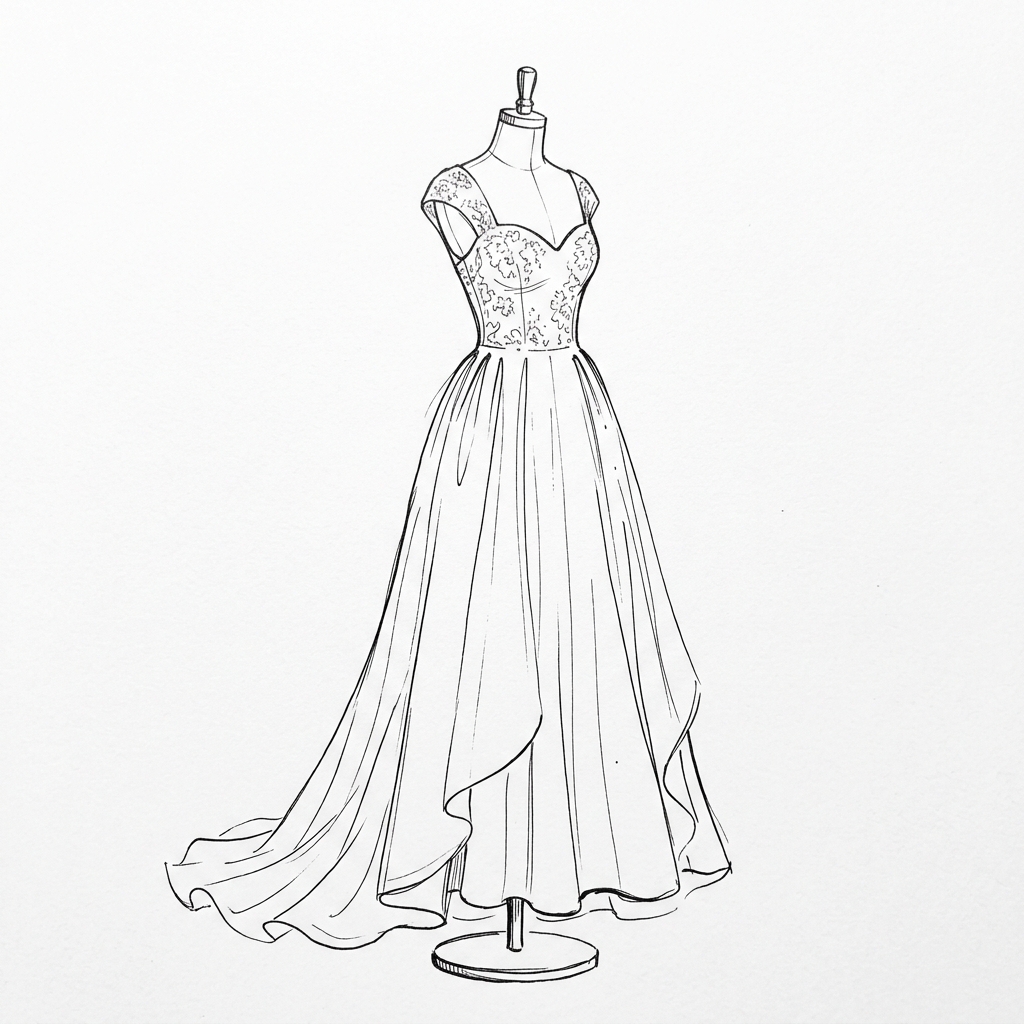
Ordering to your largest measurement prevents unfixable seam allowance disasters.
1. Why Is Bridal Sizing 1 to 2 Sizes Larger Than Street Clothes?
Almost every bride experiences a moment of sticker shock when her bridal stylist takes her measurements and announces a dress size that is two numbers higher than her favorite jeans. Take a deep breath: this is completely normal and universal across the wedding industry.
The "Vanity Sizing" Evolution
Over the past 50 years, ready-to-wear everyday brands (like Zara, J.Crew, and Nordstrom) shifted measurements upward so shoppers feel flattered buying smaller tag sizes. A modern everyday street Size 6 has roughly the same physical dimensions as a 1960s Size 10.
European Haute Couture Standards
Bridal fashion houses never modernized their sizing charts. They still construct gowns using structured, zero-stretch fabrics (silk mikado, dupioni, organza, boned corsets) based on post-WWII European couture size blocks.
2. How to Measure Yourself with 100% Precision
Never use a metal hardware tape measure—always use a flexible fabric or vinyl measuring tape. Stand upright with feet shoulder-width apart, arms relaxed at your sides:
- 1. Bust (Fullest Apex): Wrap the tape horizontally around the fullest part of your bust and straight across your shoulder blades. Wear the exact bra or shapewear you plan to wear beneath your wedding gown.
- 2. Natural Waist (Bend to Side): Bend to one side to find your natural waist crease. This is the narrowest point of your torso, typically located 1 to 2 inches above your belly button. Do not suck in your stomach; breathe normally.
- 3. Full Hips (Widest Point): Stand with your feet touching and wrap the tape around the fullest curve of your hips and buttocks (typically 7 to 9 inches below your natural waistline).
- 4. Hollow-to-Hem (Length): Measure from the hollow depression at the base of your throat down to the floor, wearing the exact bridal heel height you plan to wear on the wedding day.
3. Designer Brand Sizing Variations
Different design houses cater to distinct regional proportions. Review how top designers compare:
| Designer / Brand | Fit Tendency | Sizing vs. Street Size | Key Sizing Advice |
|---|---|---|---|
| Maggie Sottero / Rebecca Ingram | Standard US Bridal | +1 to +2 Sizes Up | Corset lace-up backs allow up to 1 full size of flexibility. |
| Pronovias / Rosa Clará (Spain) | European Slim Fit | +2 to +3 Sizes Up | Runs extremely narrow in the ribcage and high hip curve. |
| David's Bridal / BHLDN | Modern American Fit | +0 to +1 Size Up | Closely mirrors modern US high-street department store sizing. |
| Essense of Australia / Stella York | Standard Curve Friendly | +2 Sizes Up | Generous bust cups; order based strictly on waist measurement. |
4. Standard Universal Bridal Sizing Chart (Inches)
| Street Size | Bridal Size | Bust (in) | Waist (in) | Hips (in) |
|---|---|---|---|---|
| 0 / 2 | Size 4 | 33.5" | 25.5" | 36.5" |
| 4 | Size 8 | 35.5" | 27.5" | 38.5" |
| 6 | Size 10 | 36.5" | 28.5" | 39.5" |
| 8 | Size 12 | 38.0" | 30.0" | 41.0" |
| 10 / 12 | Size 14 | 39.5" | 31.5" | 42.5" |
| 14 | Size 18 | 43.0" | 35.0" | 46.0" |
| 16 | Size 20 | 45.0" | 37.0" | 48.0" |
| 18+ | Size 22 - 26 | 47" - 52" | 39" - 44" | 50" - 55" |
5. The Golden Rules of Ordering & Alterations
- Always Fit the Largest Measurement: If your bust is a Size 8, waist a Size 10, and hips a Size 14, order a Size 14. A tailor can easily take in the bodice, but adding fabric to tight hips is nearly impossible.
- Never Order for Anticipated Weight Loss: Gowns take 4 to 6 months to manufacture. If you lose weight, taking in a dress 1 to 2 sizes is simple. If you don't lose weight and ordered a size down, the dress will not zip on your wedding day.
- Schedule 3 Fitting Rounds: Plan your First Fitting 8 weeks out, Second Fitting 4 weeks out, and Final Pick-up 10 days before your wedding.
🔗 Integrated Wedding Workflow Tools
Frequently Asked Questions
What if I am between two dress sizes?
Always size up! Standard wedding dresses have minimal seam allowance inside (usually only 0.5 inches max). It is very straightforward for a seamstress to take in a dress by 1 to 2 sizes, but letting a dress out is risky and often requires buying additional lace or fabric panels from the manufacturer.
How do I export my measurements for my boutique appointment?
Click the "📝 Export Word (.doc)" or "🖨️ Export PDF / Print" button in the dashboard. The tool exports a clean fitting card with your bust, waist, hips, body silhouette, and designer adjustments ready to hand to your consultant.
Do I need to wear shoes or heels when measuring?
Shoes do not affect your bust, waist, or hip size. However, you will need your exact wedding shoes or identical heel height during your first alteration fitting to establish the floor-length hemline and bustle points.
What is "Split Sizing" and when should I request it?
Split sizing occurs when a designer agrees to cut the bodice in one size (e.g. Size 6) and the skirt in another (e.g. Size 12) before sewing them together. This typically incurs a $200-$400 custom charge from the manufacturer, but can save significantly on post-delivery alteration costs for dramatic pear or hourglass figures.
How does fabric type affect how a wedding dress fits?
Stiff fabrics like Mikado, Duchess Satin, and Brocade have zero give—requiring exact millimeter precision in measurements. Lightweight fabrics like Crepe, Chiffon, or Stretch Jersey offer gentle give and drape more forgivingly across the hips and thighs.